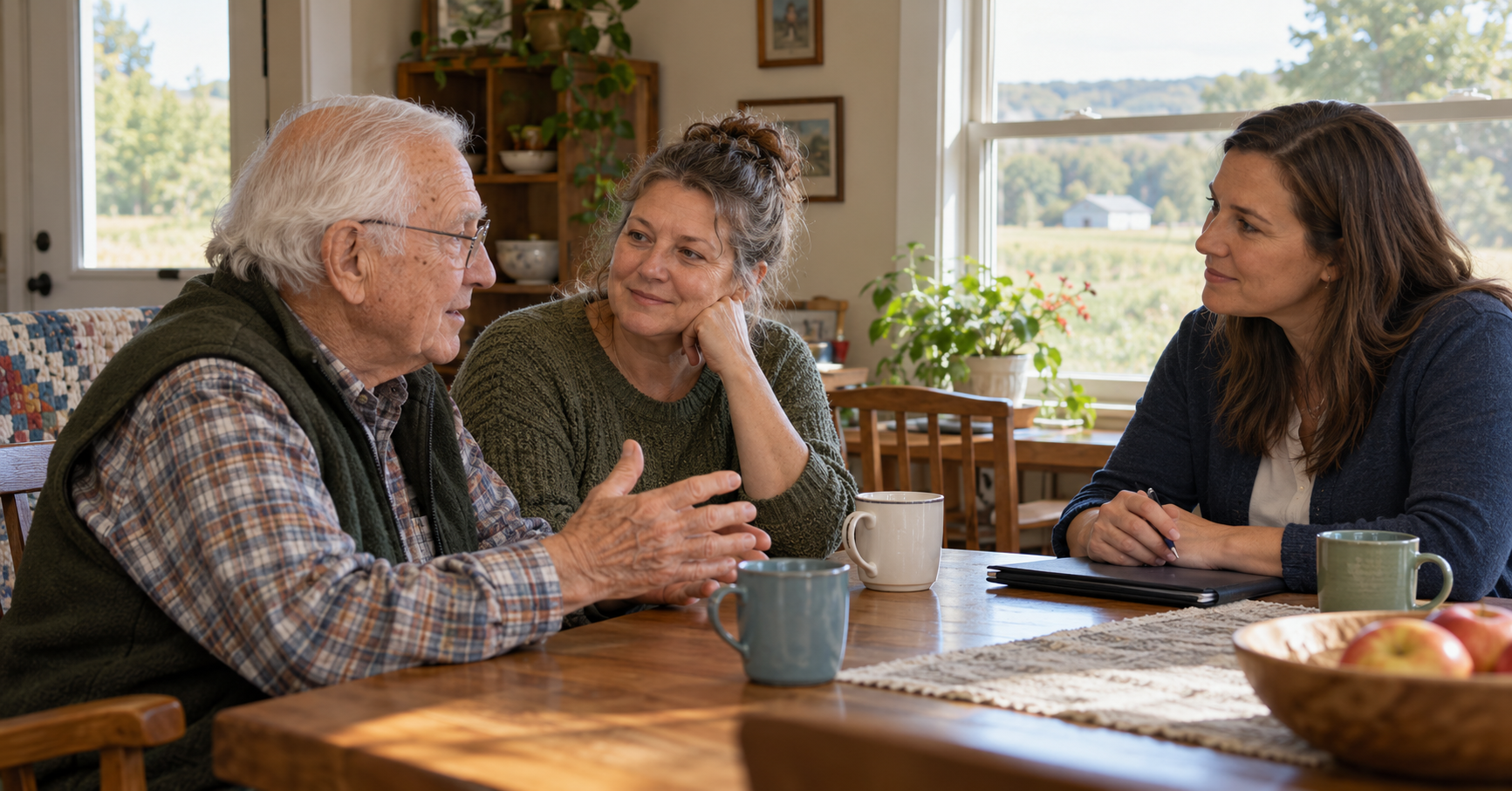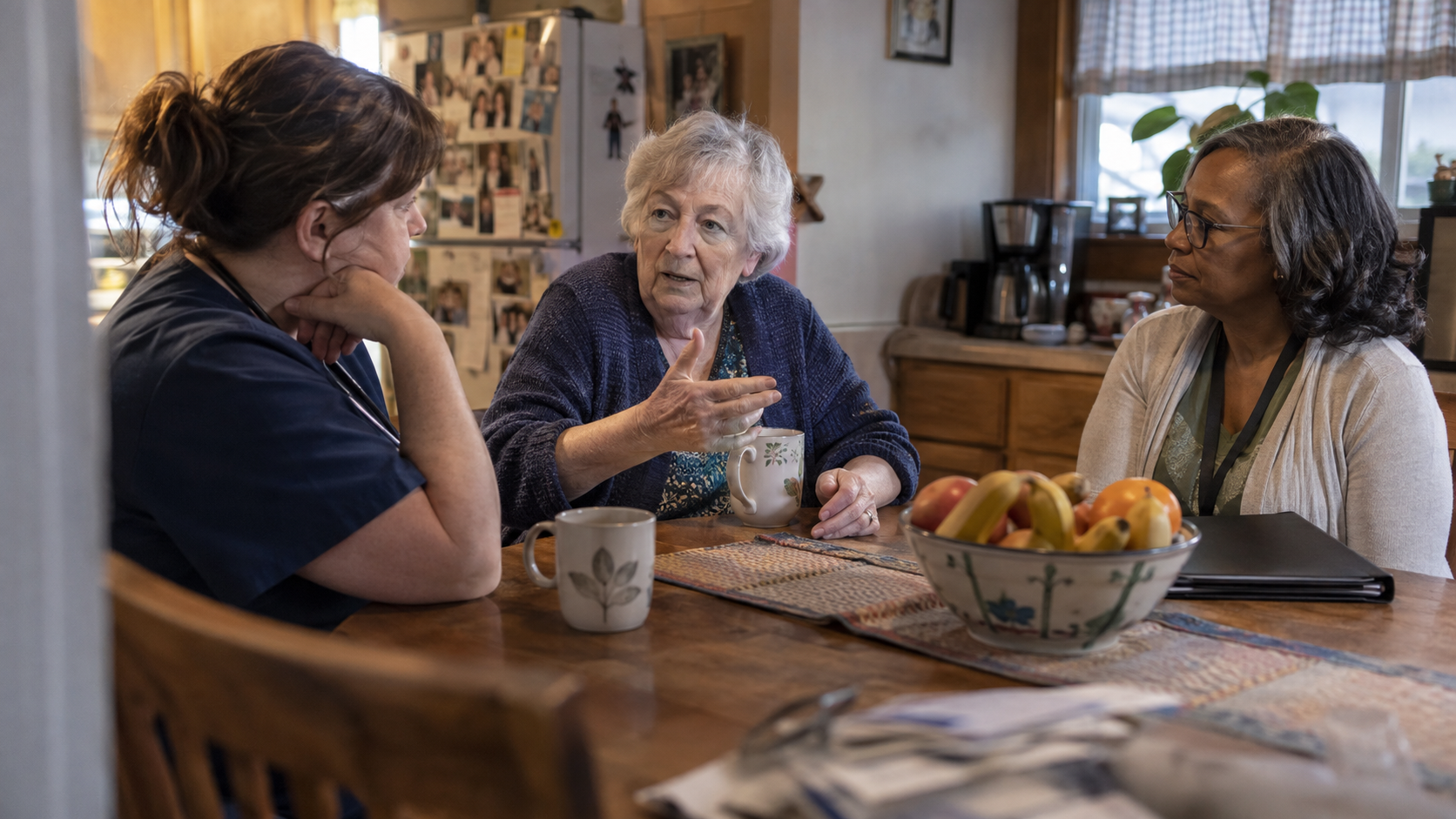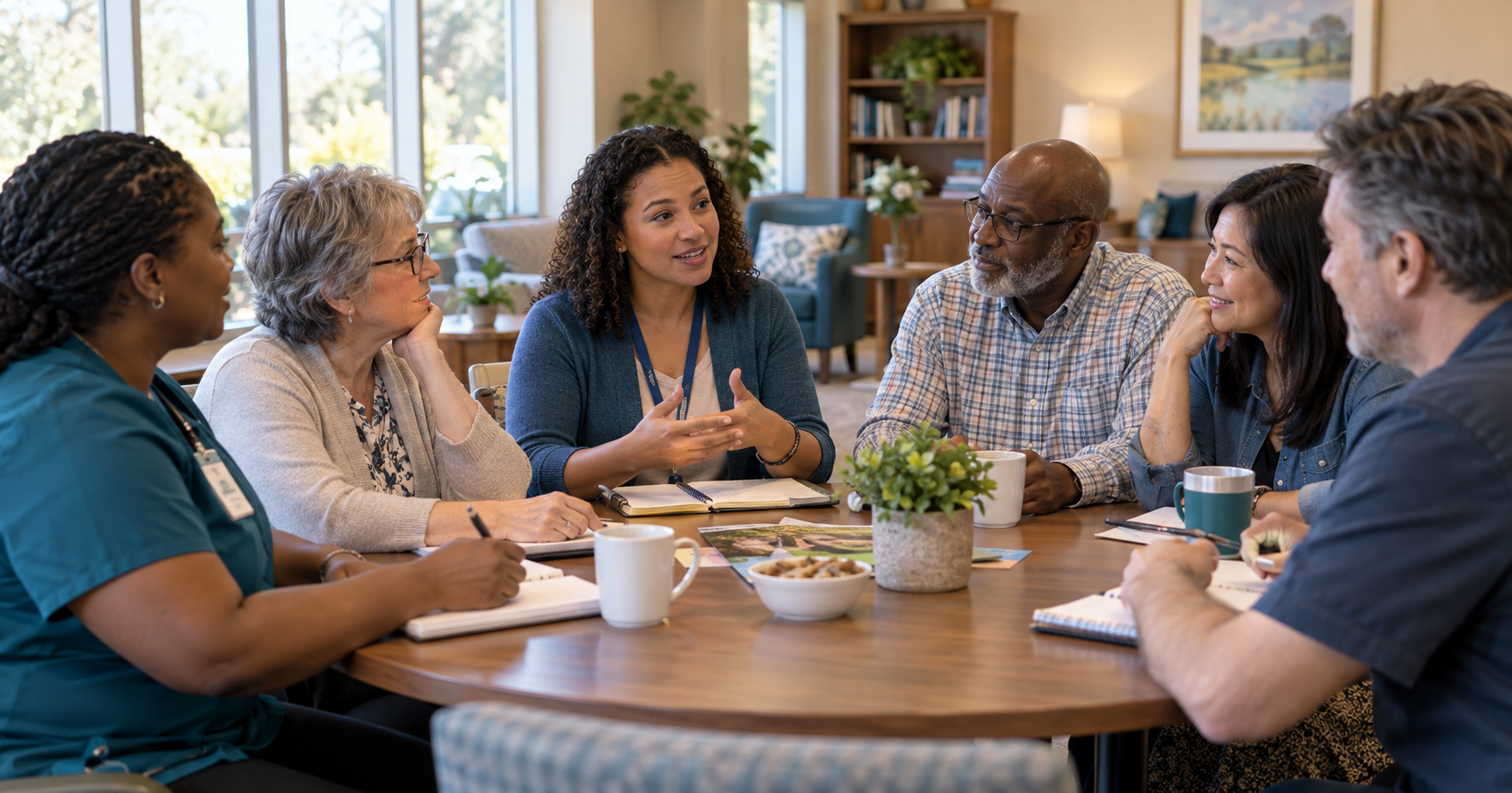
Community members participating in a dementia education event, highlighting community engagement and caregiver outreach for aging services.

Why Dementia Education Is the New Referral Currency for Aging Service Providers

Home Care, Hospice, Senior Living, and Healthcare Organizations Are Discovering a New Path to Growth


The New Referral Strategy for Aging Service Providers

For decades, aging service providers have relied on a familiar referral strategy. Marketing teams scheduled lunches with referral sources, distributed brochures, and attended networking events. Relationship-building remains important, but today's families, healthcare professionals, and communities are seeking trusted guidance and expertise.

Education is becoming the new referral currency

Organizations that invest in dementia education, caregiver support, and community engagement are positioning themselves as trusted resources long before a family reaches a crisis point. The result is stronger visibility, greater community trust, deeper professional partnerships, and more sustainable referral growth.

Dementia Is No Longer a Niche Healthcare Issue

Dementia is one of the fastest-growing public health challenges facing our nation. It impacts not only the individual living with dementia, but also family caregivers, healthcare systems, employers, faith communities, first responders, and community organizations.

Families often find themselves navigating a fragmented system of care while trying to understand symptoms, access resources, manage stress, and make difficult decisions. This creates a tremendous opportunity for organizations willing to step into an educational leadership role.

Families Are Choosing Expertise Over Advertising

When families begin searching for support, they are often asking:

Read More
Dementia caregiver support and education for health plans, public health, and rural communities

Reaching Dementia Caregivers: The Missing Link in Population Health, Rural Health, and Community-Based Care

As dementia rates rise nationwide, health plans, public health agencies, and community organizations have an opportunity to improve outcomes, reduce costs, and strengthen communities by investing in caregiver education, resource navigation, and support services.

Family caregivers are the backbone of dementia care in the United States. They coordinate appointments, manage medications, navigate healthcare systems, provide emotional support, and often serve as the primary advocate for a loved one living with dementia. Yet despite their critical role, millions of caregivers remain disconnected from the education, resources, and support systems that could help them succeed.

Read More
High school students engaging in Dementia Live Experience and Training

Our Brains Are Built for Experiential Learning

Our brains are wired to learn through experience. From childhood development to professional training, research consistently shows that people retain more, understand more deeply, and change behavior more effectively when they actively engage in learning rather than passively receive information.

Read More
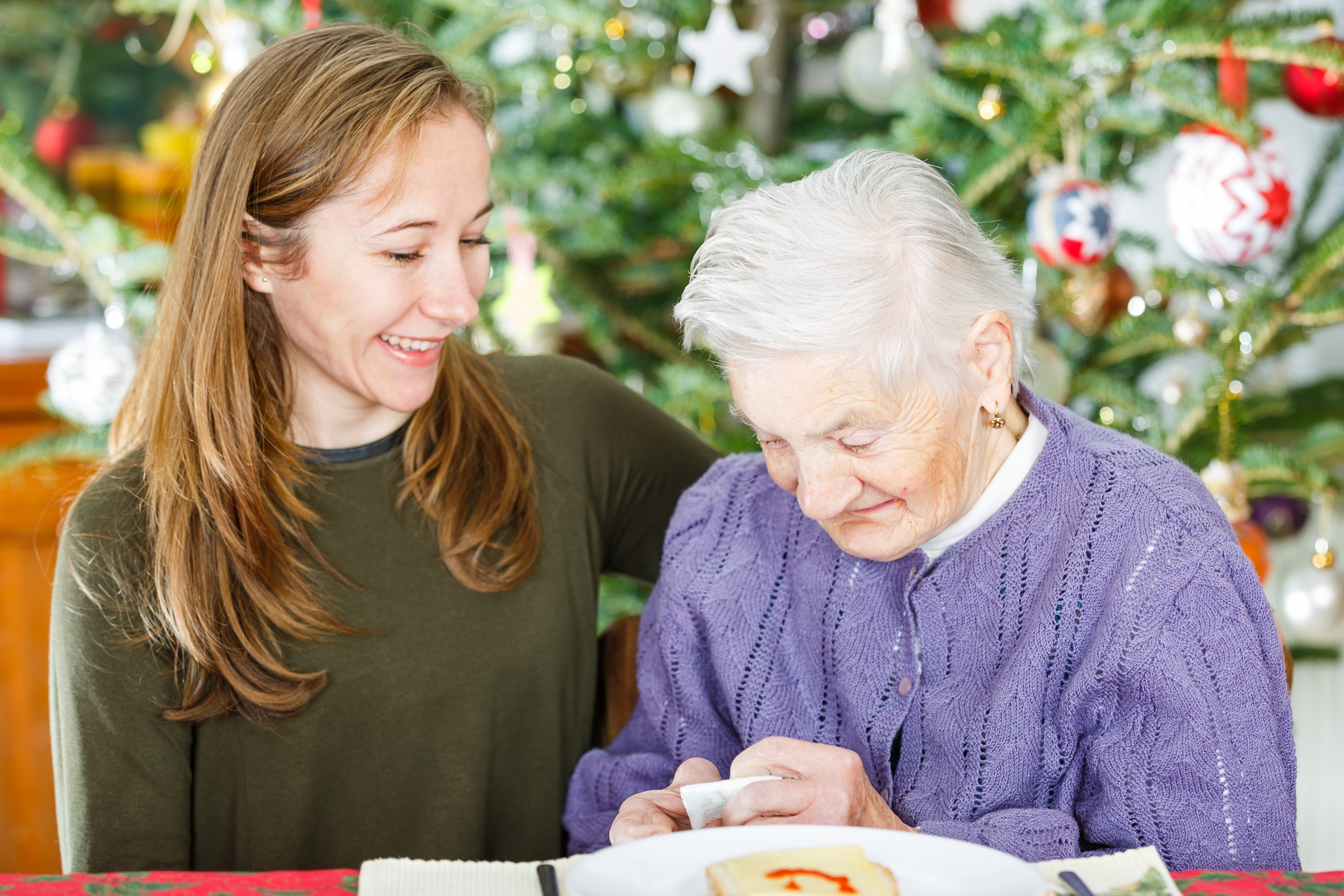
caregiver looking at photo album with older adult, offering comfort and reassurance

The Heart of Care: How Empathy Drives Better Clinical Outcomes

When it comes to senior living and dementia care, the difference between management and meaningful support often lies in a single, fundamental human element: empathy.

For years, clinical training focused almost exclusively on the mechanics of care—medication administration, hygiene protocols, and safety compliance. However, as the industry shifts toward person-centered models, we are discovering that empathy is not just a soft skill; it is a clinical powerhouse.

Read More

Building Empathy in Healthcare Through Dementia Simulation

Empathy is one of the most essential qualities in dementia care—yet it can also be one of the hardest to teach. While textbooks, lectures, and clinical guidelines can provide knowledge about Alzheimer’s disease and other forms of dementia, they often fall short of helping students truly understand what it feels like to live with cognitive impairment. For healthcare professionals who will one day care for individuals living with dementia, developing that deeper level of understanding is critical.

Read More
Facilitator guiding participants during a Dementia Live® experiential training, helping caregivers understand the sensory and cognitive challenges of living with dementia.

Why Dementia Education Is a Workforce Strategy

Senior living leaders today face a workforce landscape shaped by rising acuity, increasing dementia prevalence, and unprecedented staffing pressures. Dementia care is emotionally demanding, operationally complex, and deeply tied to staff retention. As the number of people living with dementia continues to grow, organizations that treat dementia education as a strategic workforce investment — not just a care initiative — are seeing measurable improvements in culture, confidence, and consistency. Dementia education is no longer optional. It is a workforce strategy that strengthens onboarding, reduces turnover, and builds a resilient, empathy-driven care culture.

Read More